
Introduction to Project C
In the world of creative projects, the journey from concept to completion can be both exhilarating and challenging. Project C is a testament to this process, showcasing the skills and strategies employed to bring an idea to life. In this blog post, we will explore the various stages of Project C, highlighting the key skills that played a pivotal role in its development.
The Conceptualization Stage
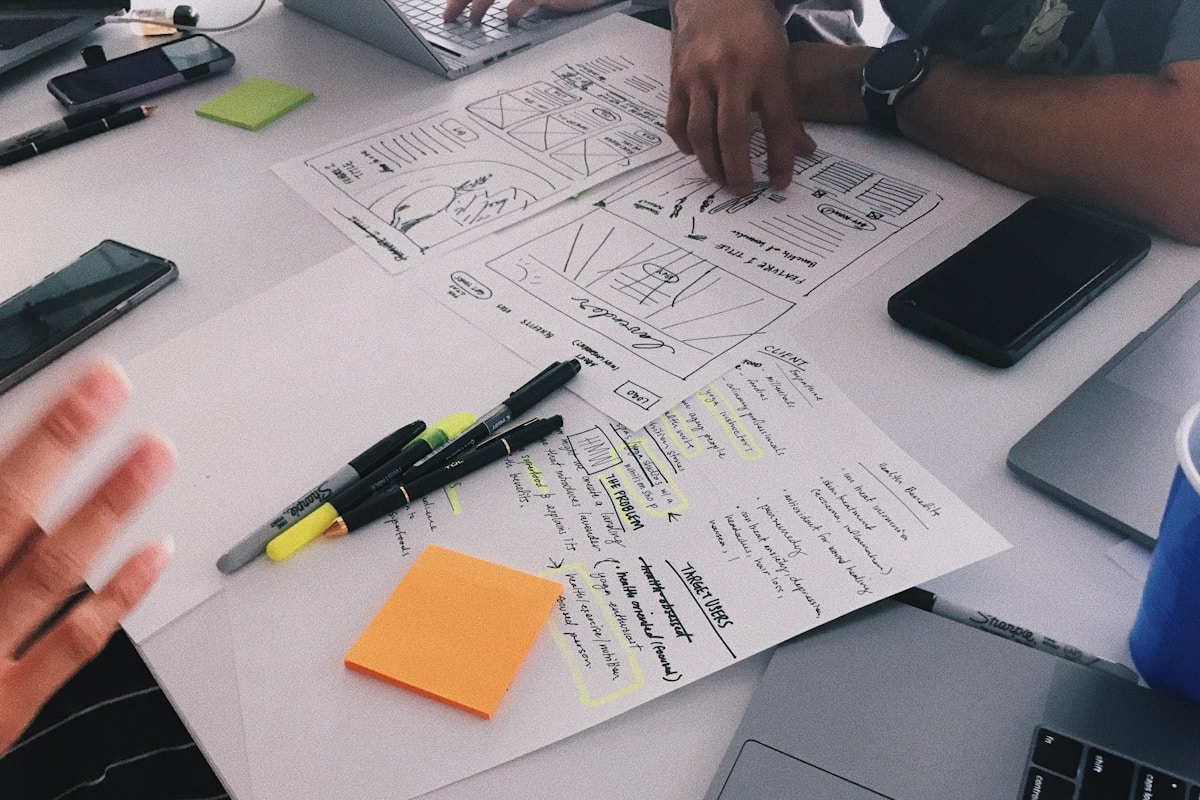
Brainstorming Ideas
The first step in any creative project is the brainstorming phase. For Project C, this involved:
- Gathering inspiration from various sources, including art, nature, and technology.
- Conducting mind mapping sessions to visualize ideas and their connections.
- Collaborating with a diverse team to encourage a flow of fresh perspectives.
Defining the Vision
Once the ideas were generated, the next step was to define the vision for Project C. This included:
- Establishing the core message and objectives of the project.
- Creating a mood board to encapsulate the desired aesthetic and tone.
- Setting measurable goals to track progress throughout the project.
Planning and Strategy Development
Creating a Project Timeline
With a clear vision in place, the next step was to create a detailed project timeline. Key actions included:
- Breaking down the project into manageable phases.
- Setting deadlines for each phase to ensure timely completion.
- Allocating resources effectively to avoid bottlenecks.
Resource Management
Effective resource management was crucial for the success of Project C. This involved:
- Identifying the necessary tools and technologies required for execution.
- Budgeting for materials and resources to stay within financial constraints.
- Assigning roles and responsibilities to team members based on their strengths.
Execution Phase
Implementation of Ideas
With a solid plan in place, the execution phase began. This was where the ideas transformed into tangible outputs. Key activities included:
- Prototyping concepts to test feasibility and functionality.
- Iterating designs based on feedback from team members and stakeholders.
- Maintaining open lines of communication to address challenges promptly.
Quality Assurance
Ensuring the quality of the output was a top priority during the execution phase. This involved:
- Conducting regular reviews and assessments of the work produced.
- Implementing a feedback loop to incorporate suggestions for improvement.
- Testing the final product to ensure it met the initial objectives and standards.
Finalization and Reflection
Completing the Project
The finalization stage of Project C was marked by several key actions:
- Final edits and adjustments to ensure the project aligned with the original vision.
- Preparing documentation and presentations to showcase the project outcomes.
- Organizing a launch event to celebrate the completion and share the results with stakeholders.
Reflecting on the Experience
After the completion of Project C, it was essential to reflect on the entire process. This included:
- Evaluating what worked well and what could be improved in future projects.
- Gathering feedback from team members and stakeholders to gain diverse insights.
- Documenting lessons learned to enhance future project planning and execution.
Key Skills Developed Throughout Project C
Throughout the journey of Project C, several key skills were honed:
- Creative Thinking: The ability to generate innovative ideas and solutions.
- Project Management: Skills in planning, executing, and monitoring project progress.
- Collaboration: Working effectively with a team to achieve common goals.
- Communication: Sharing ideas clearly and receiving feedback constructively.
- Problem-Solving: Navigating challenges and finding effective solutions.
Conclusion
The creative process behind Project C was a multifaceted journey that involved careful planning, execution, and reflection. By focusing on key skills and maintaining a clear vision, the project was successfully brought to completion. Whether you are embarking on a similar project or seeking inspiration for your creative endeavors, understanding this process can provide valuable insights for your own journey.